An independent magazine on antiques and collecting in Vermont and New England: clocks, lamps, advertising, china and glass, and the small objects that fill a collector's shelf.
Reading, dating and keeping old objects in Vermont and New England
Antiques and collecting in Vermont and New England. Five sections take an object apart in plain language, in the third person, with the trade bodies and reference sources named.
Start with the sections
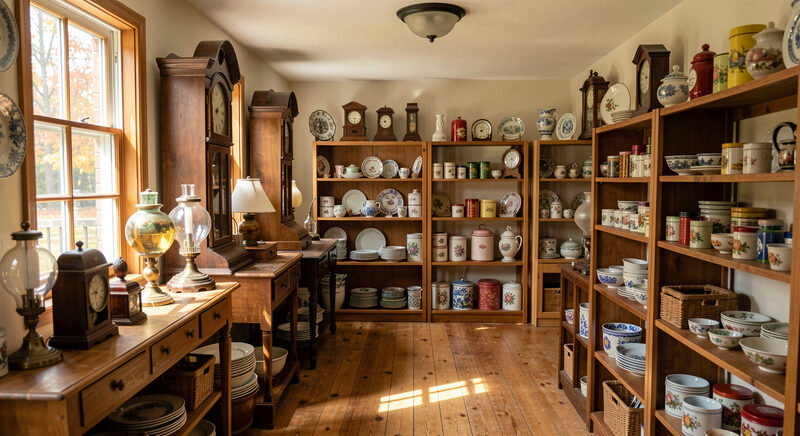
Five guides, from the clock on the wall to the pin in a drawer
Each section opens with an index of its guides. Pick clocks and lighting, printed advertising, china and glass, or the small objects and country gear.
 01
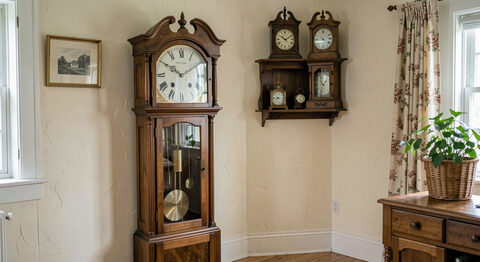
01Antique Clocks
Timekeeping in the old house: tall case and shelf clocks, carriage clocks and ships bell movements, how to read them and how to keep them running.
 02
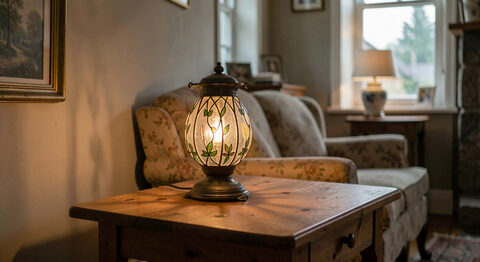
02Lamps and Lighting
Oil lamps and the shades that shaped their light: burners, fonts and bases, and the leaded, slag and reverse painted glass to inspect before buying.
 03
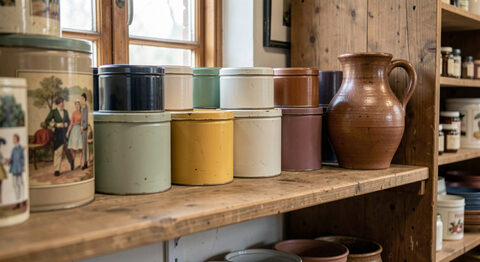
03Advertising and Ephemera
The paper and tin that carried a brand into every home: tins, signs, trade cards and postcards, how they were made and how to spot a reproduction.
 04
04China, Glass and Porcelain
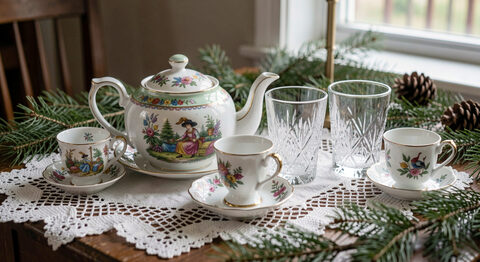
The table and its manners: porcelain and its marks, pressed and blown glass, the patterns, the sets and the condition that decides value.
 05
05Smalls and Sporting
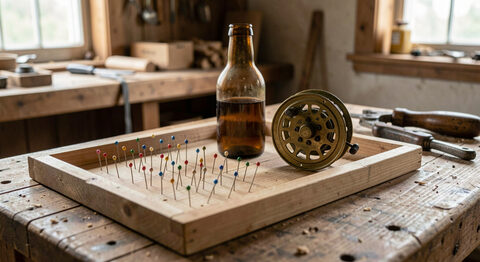
The small objects and country gear: jewelry and hatpins, medicine bottles, textiles, toys and the split cane tackle of fly fishing.
Section 1 of 5
Antique Clocks
Timekeeping in the old house: tall case and shelf clocks, carriage clocks and ships bell movements, how to read them and how to keep them running.
Antique Clocks
How to Date an Antique Clock
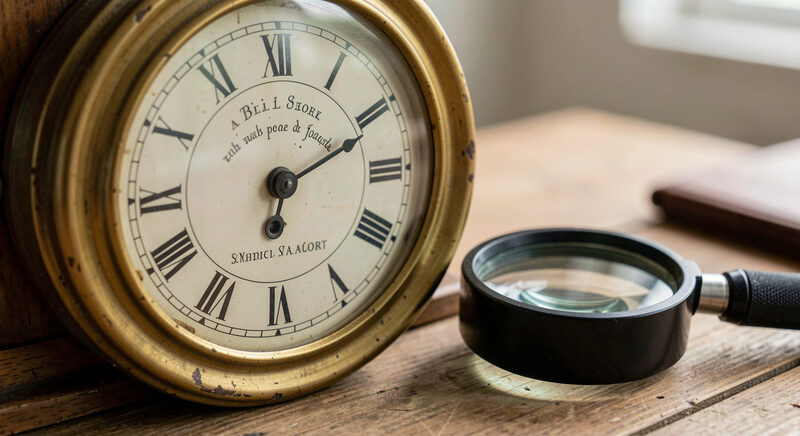
Read a clock's dial, movement, case and maker marks to place it in time, and learn which features date a clock most reliably.
Dial, movement, case, marks: the order that places a clock.
Antique Clocks
How an Antique Clock Is Restored
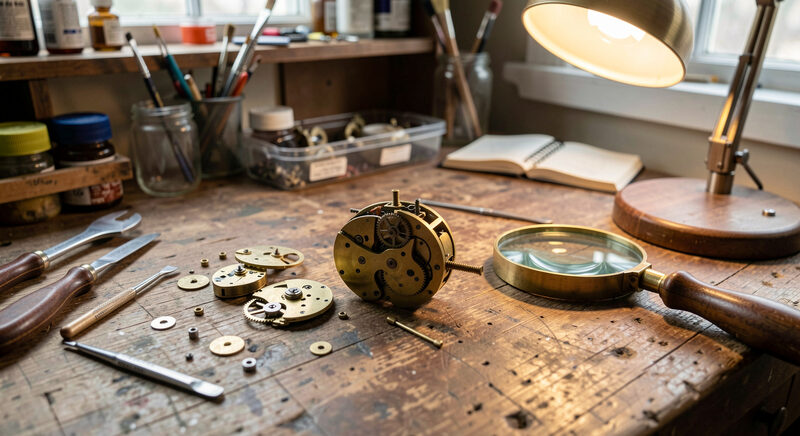
What a proper clock restoration covers, from cleaning a movement to replacing a suspension spring, and what to leave untouched.
What a proper restoration keeps, and what it must leave alone.
Section 2 of 5
Lamps and Lighting
Oil lamps and the shades that shaped their light: burners, fonts and bases, and the leaded, slag and reverse painted glass to inspect before buying.
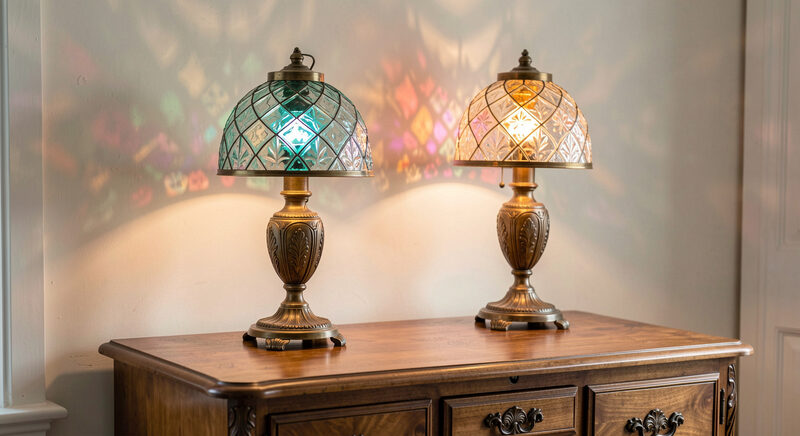
Lamps and Lighting
Leaded, Slag and Reverse Painted Lamps
Tell leaded, slag panel and reverse painted lamps apart, check a shade for cracks and repairs, and understand period wiring.
Three shade techniques, three sets of faults to find.
From the archive
Guides that keep their historical addresses
This domain carried a Vermont antiques shop for about twenty years. These guides answer the questions those pages answered, at the same addresses.
Restored page
Antique Clocks
Tall case, shelf and wall clocks, read the same way every time.
Restored page
Advertising and Ephemera
Tins, signs and paper, made to be thrown away and kept anyway.
Restored page
China, Glass and Porcelain
Marks, patterns, sets and the condition that decides value.
Restored page
Smalls and Sporting
Hatpins, bottles, textiles and the tackle of a country stream.
Section 3 of 5
Advertising and Ephemera
The paper and tin that carried a brand into every home: tins, signs, trade cards and postcards, how they were made and how to spot a reproduction.
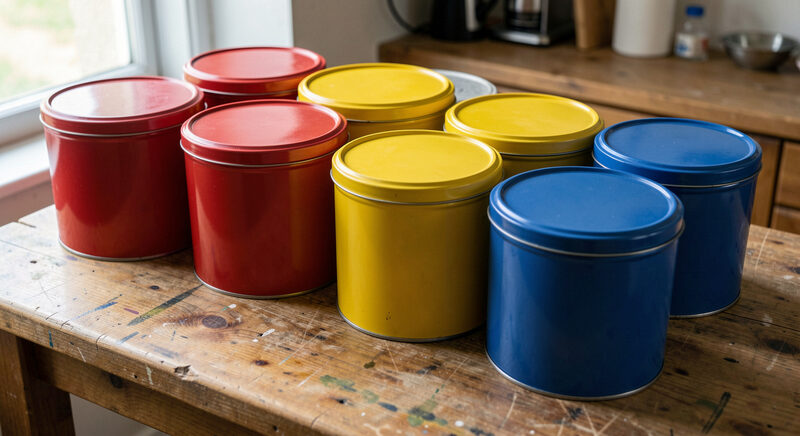
Advertising and Ephemera
Advertising Tins and Trade Signs
Date advertising tins, signs and displays by lithography, brand and condition, and spot reproductions before you pay for one.
Construction first, then printing, then the wear that cannot be faked.
The reading room
Other independent sites worth a bookmark
The Green Mountain Collector sells nothing and answers to no dealer. These independent bodies and publications cover corners of the field this magazine does not: clocks and watches, the wider antiques trade, bottles, and the Vermont dealers themselves.
Outside this site
National Association of Watch and Clock Collectors
The long standing body for clocks and watches, with reference material, chapters and a journal for members.
Clocks, watches and the people who keep them.
Outside this site
Antique Trader
A general antiques publication covering market news, collecting fields and how-to guides across the trade.
Market and collecting coverage across the trade.
Outside this site
Collectors Weekly
Reference articles and show-and-tell on glass, porcelain, advertising and the smaller fields of collecting.
Reference articles across many collecting fields.
Outside this site
Maine Antique Digest
A New England antiques newspaper reporting shows, auctions and prices from across the region and beyond.
Shows and auctions reported across New England.
Outside this site
Vermont Antiques Dealers Association
A regional association of Vermont dealers, with a directory and news from the state trade.
The Vermont trade, dealer by dealer.
Outside this site
Federation of Historical Bottle Collectors
The reference body for antique bottles, with research, shows and a journal for collectors.
Bottles, their makers and their history.
Section 4 of 5
China, Glass and Porcelain
The table and its manners: porcelain and its marks, pressed and blown glass, the patterns, the sets and the condition that decides value.
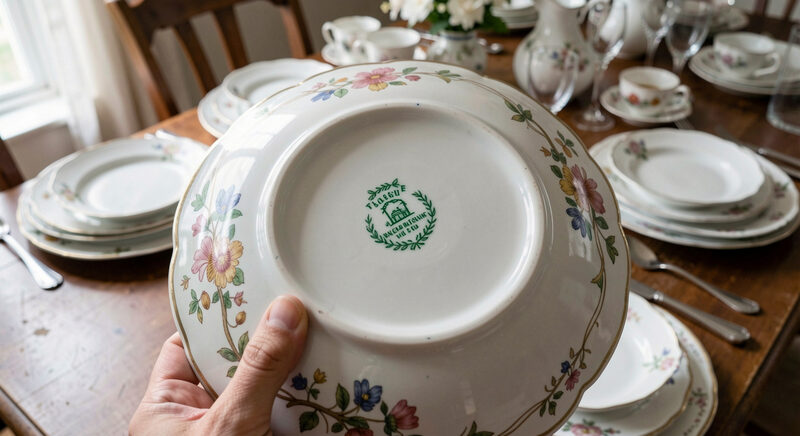
China, Glass and Porcelain
Nippon and Noritake Porcelain
Read Nippon and Noritake backstamps, date a service by its mark, and judge gilding, damage and completeness before buying.
Backstamps read against body, glaze and pattern.
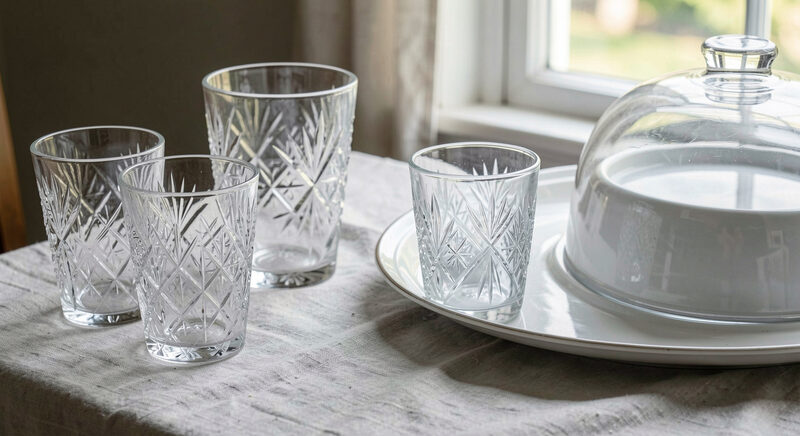
China, Glass and Porcelain
Victorian and Pressed Glass
Identify Victorian and pressed glass patterns, tell early pressed from later moulds, and check for chips, cloudiness and repairs.
Mould marks, pattern names and the chips that never come out.
Section 5 of 5
Smalls and Sporting
The small objects and country gear: jewelry and hatpins, medicine bottles, textiles, toys and the split cane tackle of fly fishing.
Smalls and Sporting
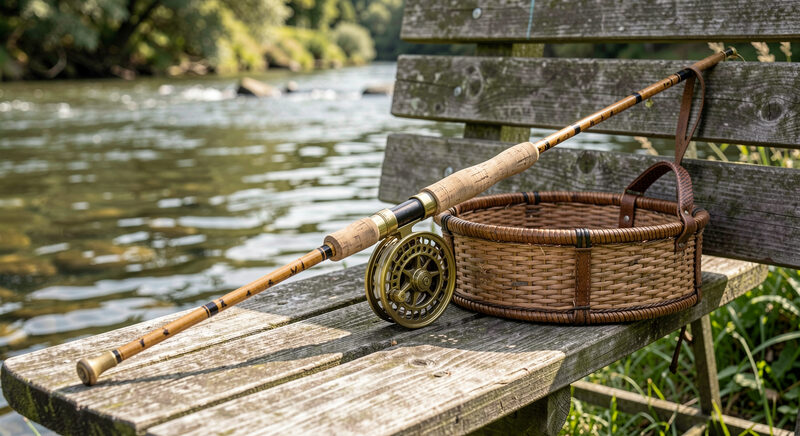
Antique Fly Fishing Tackle
Collect bamboo fly rods, reels and creels: what makes a rod collectible, how to check ferrules and guides, and how to store them.
Cane, ferrules and guides, checked before the first cast.
Smalls and Sporting
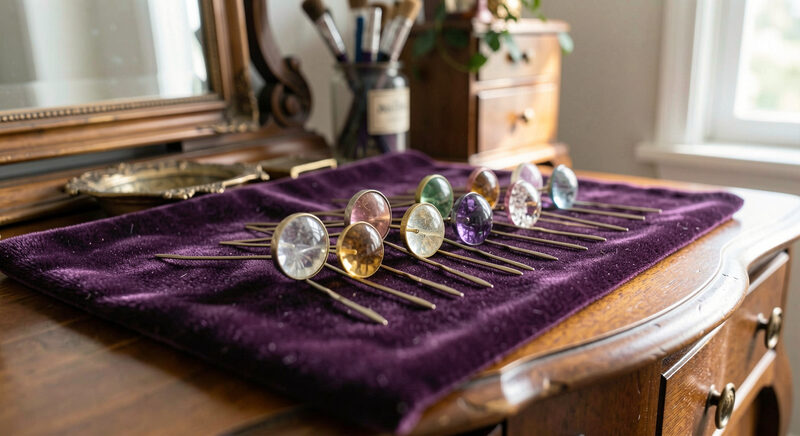
Collecting Victorian Hatpins
How to collect Victorian and Edwardian hatpins: lengths, materials, heads, marks and the holders that display them.
Lengths, materials, heads and the holders that display them.
Smalls and Sporting
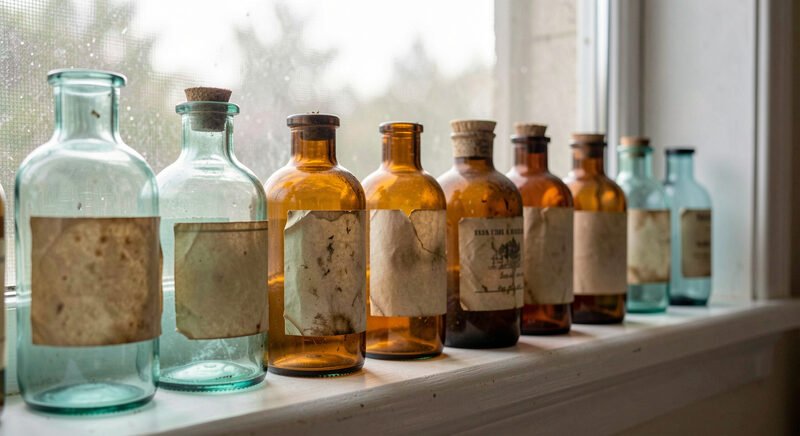
Antique Medicine Bottles
Read antique medicine and pharmacy bottles by colour, lip and embossing, and learn what old labels and contents can tell you.
Colour, lip and embossing: the base dates the bottle.
The shelf in pictures
Five views from the guides
Five photographs from the guides below, each with the page that explains the scene in full.

Field note 1
A village street in autumn
The trade of a country town ran on painted signs and paper. The advertising section covers what survived and how to read it.
Field note 2
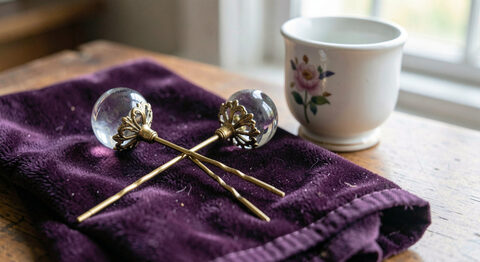
A row of hatpins on velvet
Hatpins were jewelry worn in public for a short window of fashion. The hatpin guide reads their lengths, heads and marks.
Field note 3
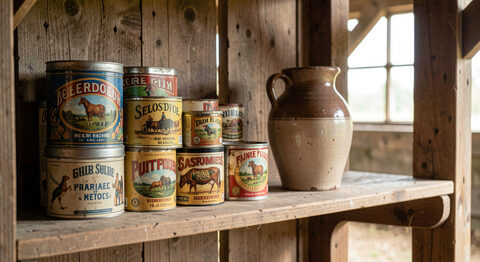
A shelf of old tins
Tins were built by hand before they were stamped, and the seams date them more honestly than the picture.
Field note 4
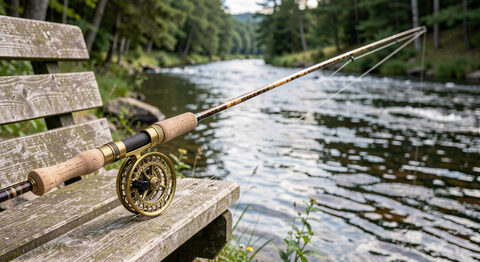
Cane, brass and a creel
Fly fishing tackle is collected for use as much as for display. The tackle guide shows what to check on a rod and a reel.
Field note 5
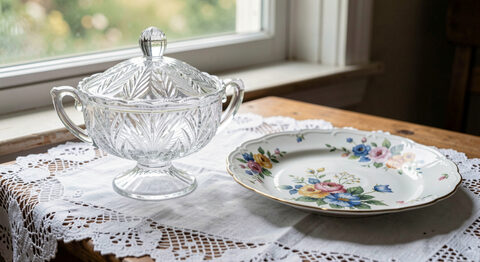
Pressed glass near a window
Pressed glass brought the look of cut glass to the everyday table, and its mould marks are its signature.